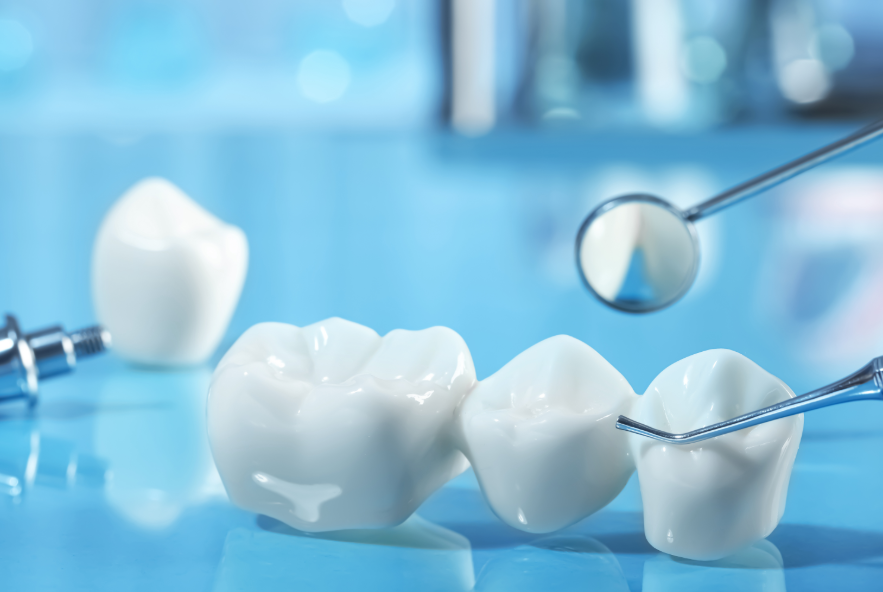
If you’ve recently gotten a dental crown or are considering one, you may be wondering how long it will actually last. Dental crowns are designed to be durable and long-lasting, but their lifespan isn’t the same for everyone. How well you care for your crown plays a major role in how many years you can expect it to hold up.
With proper care, dental crowns can last many years—and in some cases even decades—before needing replacement.
What Affects the Lifespan of a Dental Crown?
The average dental crown can last anywhere from 10 to 15 years, though some last even longer. The biggest factor influencing longevity is oral hygiene and daily habits.
Crowns are strong, but they are not indestructible. Over time, normal wear and tear from chewing, grinding, and biting can gradually weaken them. The underlying natural tooth is also still susceptible to decay if it is not properly cared for, which can impact the crown’s stability.
Material type also matters. Porcelain, ceramic, metal, and porcelain-fused-to-metal crowns all have different durability levels. However, even the strongest materials depend on proper care to reach their full lifespan.
How to Make Your Dental Crown Last Longer
Good oral hygiene is one of the most important factors in extending the life of your crown. Brushing twice a day and flossing daily helps prevent plaque buildup around the crown edges, where decay is most likely to develop.
Regular dental checkups are also essential. Your dentist can monitor the condition of your crown and catch any early signs of wear, damage, or decay before they become bigger issues.
Avoiding hard or sticky foods can also make a big difference. Chewing ice, hard candies, or using your teeth to open packages can put unnecessary pressure on the crown and increase the risk of cracking or loosening.
If you grind your teeth at night, wearing a custom nightguard can help protect your crown from excessive force. Bruxism is one of the leading causes of early crown failure, but it can often be managed with the right protection.
Signs Your Crown May Need Attention
Even with great care, crowns may eventually need repair or replacement. Some common signs include sensitivity around the crowned tooth, visible wear or cracks, or a crown that feels loose or uncomfortable when biting.
If you notice any of these changes, it’s important to have your dentist evaluate the crown as soon as possible. Addressing small issues early can often prevent more extensive dental work later.
Can a Crown Be Replaced?
Yes, dental crowns can be replaced when they reach the end of their lifespan or become damaged. The process typically involves removing the old crown, preparing the tooth if needed, and placing a new custom-made restoration.
Many patients are surprised to learn that replacing a crown is a fairly routine procedure, especially when done before significant underlying damage occurs.
Long-Term Care Makes the Difference
Ultimately, the longevity of a dental crown comes down to how well it is maintained. While materials and dental technique play a role, your daily habits are the biggest factor in ensuring your crown lasts as long as possible.
With consistent care and regular dental visits, your crown can remain strong, functional, and natural-looking for many years. A little maintenance goes a long way in protecting your smile for the long term.
About the Practice
Distinctive Dentistry is led by Dr. Bickford and a team of amazing dentists who provide comprehensive restorative and preventive dentistry, including high-quality dental crowns designed to restore strength, function, and aesthetics to damaged teeth. The practice focuses on personalized treatment and long-term oral health solutions. We work with each patient to ensure lifelong, healthy smiles.
Call us at (770) 445-6606 or schedule your appointment online.